Hey, I’m Meghan.
I’m a content designer and strategist making complex ideas feel clear, useful, and human.
I use structure, language, and context to help teams ship products, platforms, and communications that scale.
Interested in roles spanning content design, internal communications, and product storytelling.
Clarity Strategy Structure Craft
About my work
I craft clear content for complex products and systems. At Visa, I’ve worked across developer-facing, internal, and public experiences where clarity, alignment, and adoption matter.
My work lives at the intersection of content strategy, UX writing, and information architecture. I collaborate with design, engineering, and product to define patterns, simplify complex flows, and translate technical intent into usable experiences.
Alongside product work, I’ve partnered on internal communications and launch content — including quarterly release emails, system updates, and SEO optimization for public launches — helping teams understand what’s changing, why it matters, and how to use it.
I’m especially drawn to ambiguous, high-impact environments. I care deeply about clarity, craft, and the invisible decisions that make products feel cohesive.
Projects
-
![]()
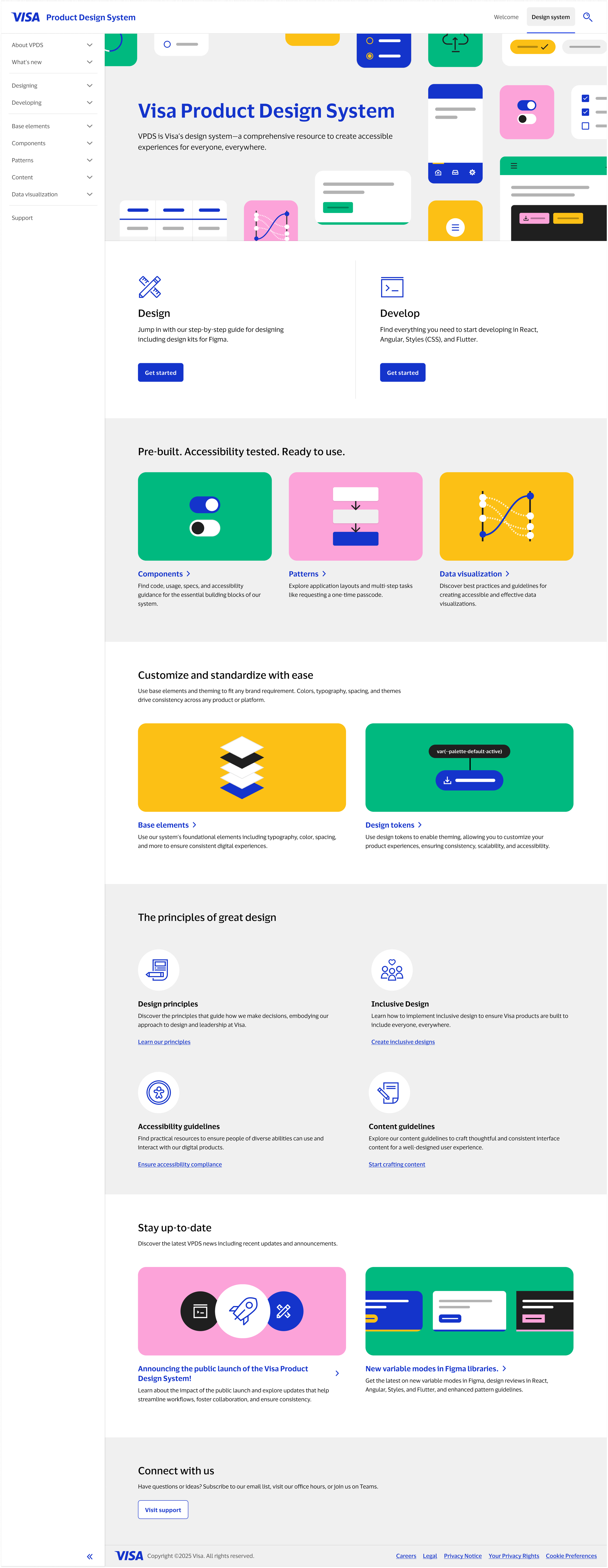
Visa Product Design System
-
![]()
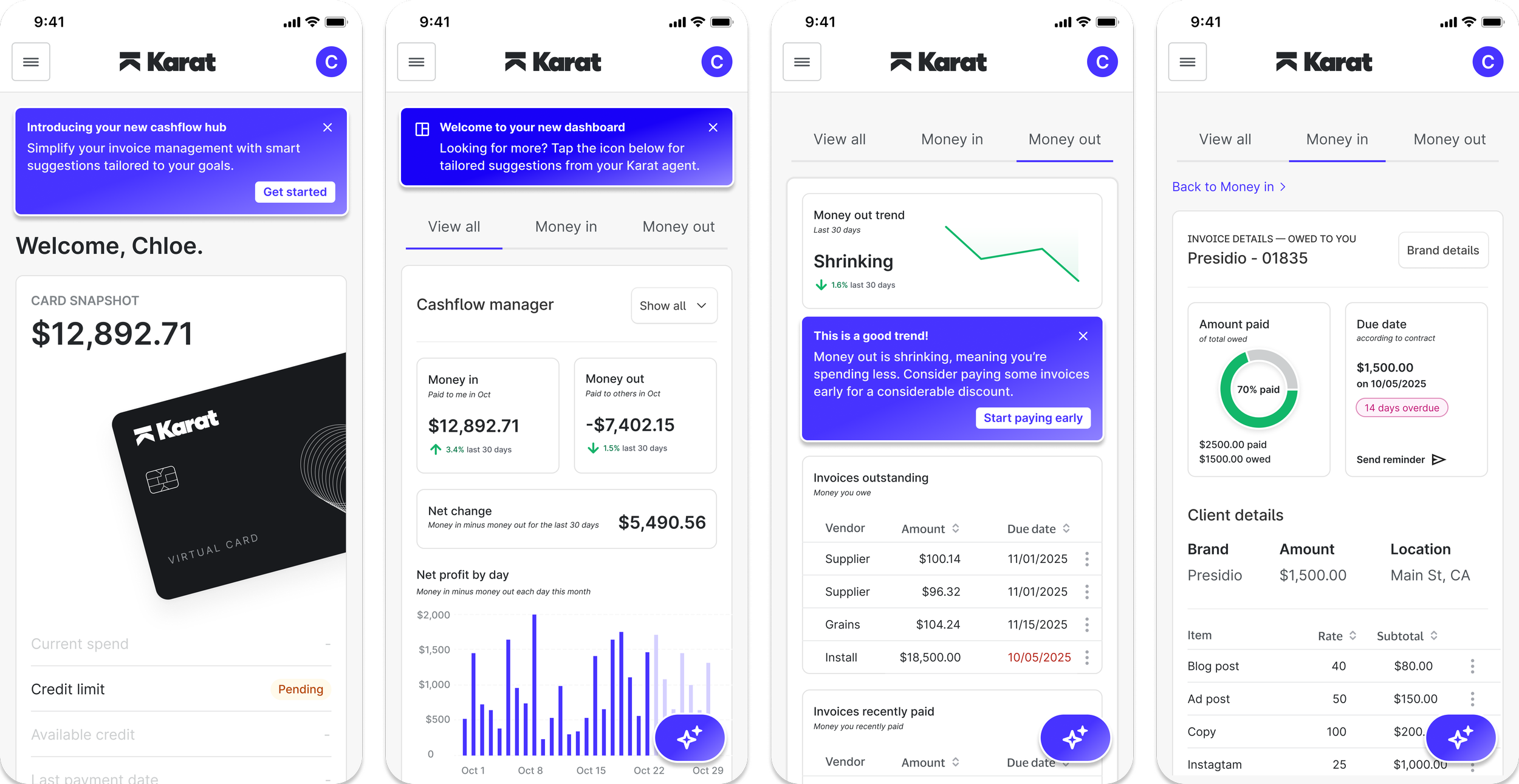
Karat x Visa
-
![]()
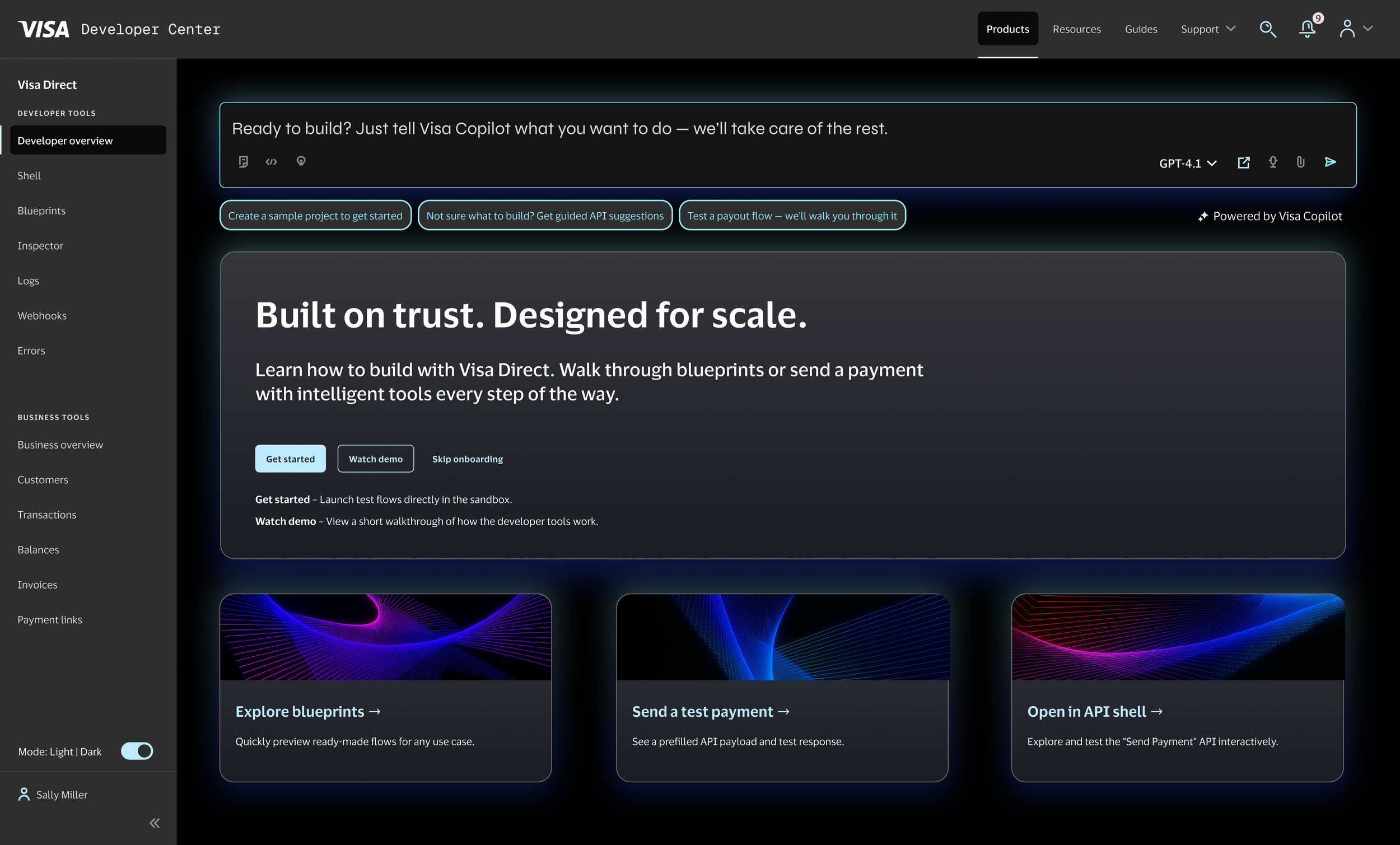
Visa Developer Experience
-
![]()
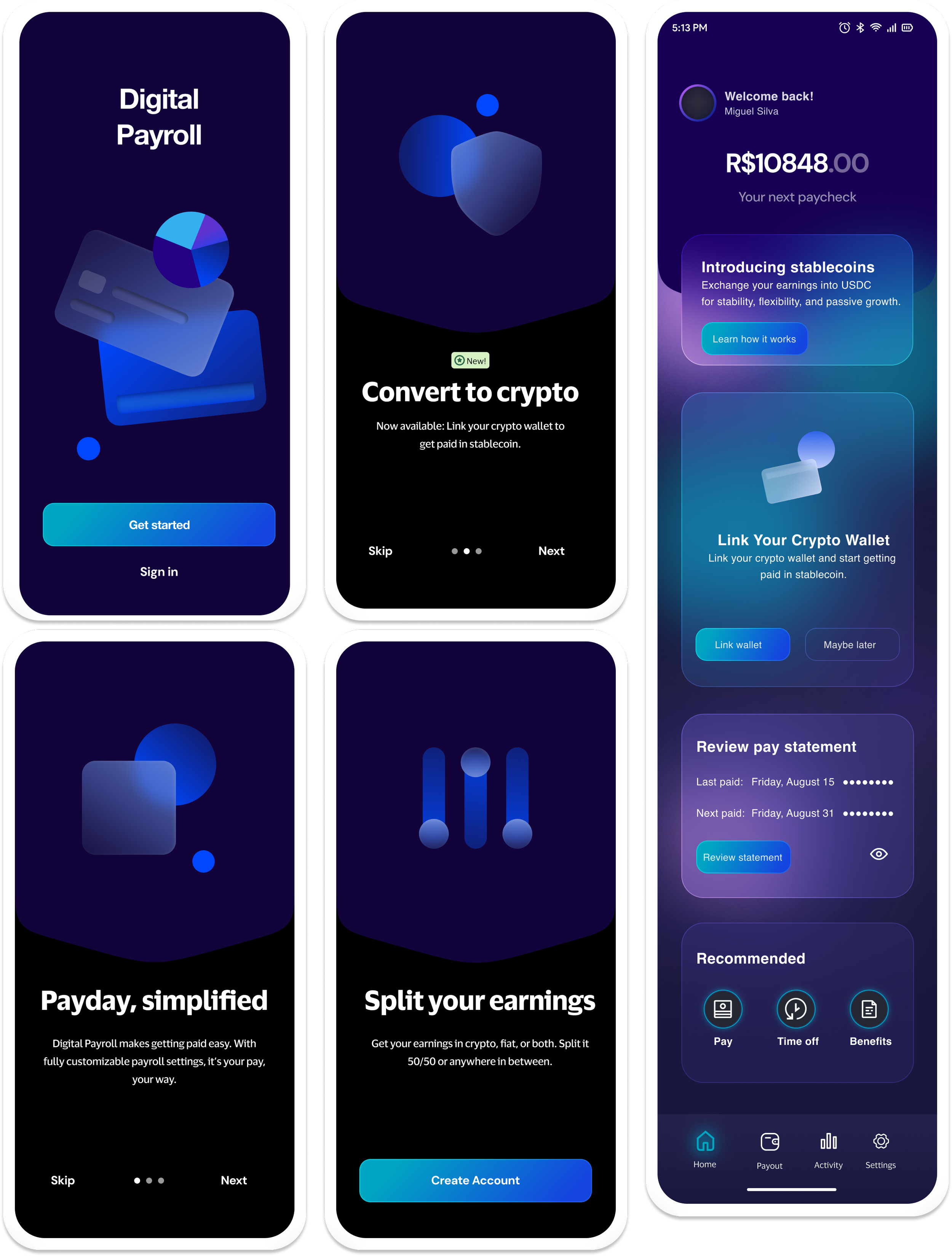
Stablecoin Demo
Education
B.S. Decision Science + B.S. Technical Writing
Minor, Human-Computer Interaction
Carnegie Mellon University
My education blends behavioral decision-making, research-driven problem solving, and technical communication to shape how I work today: grounding decisions in evidence, translating complexity for real audiences, and building systems that align with how people actually use (and understand) technology.
Personal
Outside of work, I gravitate toward gentle hobbies and small rituals — cooking, side projects, gaming with friends, long neighborhood walks, and bothering the local cats. I like flexible structure and I’m at my best when there’s room to explore. I bring the same energy to my work: curious, observant, and intentional.